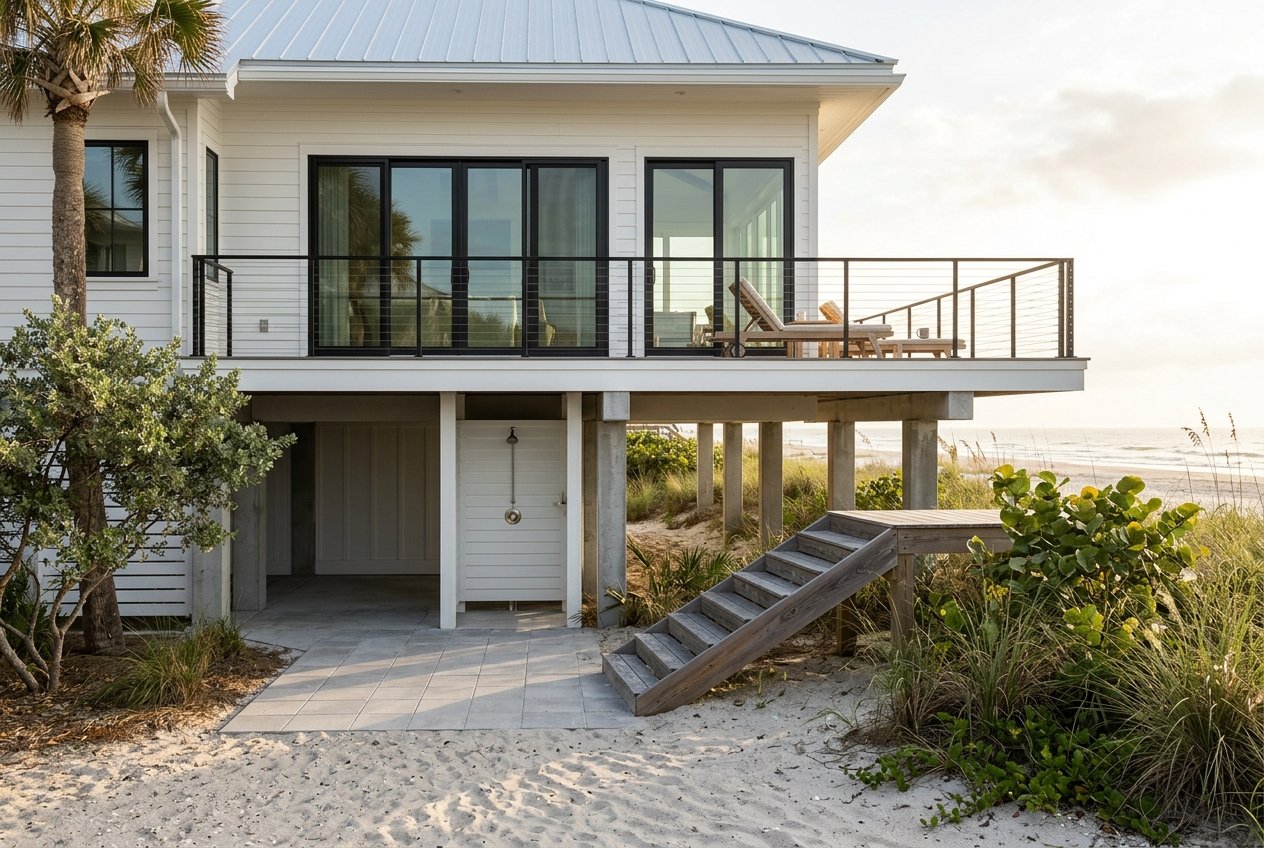
If you picture beach life as something reserved for weekends or vacations, Amelia Island may surprise you. Along this stretch of Nassau County coastline, the beach is part of your normal routine, with quick drives, easy access points, walkable pockets, and outdoor spaces that fit naturally into everyday life. If you are considering a move, a second home, or an investment here, understanding the rhythm of daily life can help you decide which part of the island fits you best. Let’s dive in.
Beach Life Feels Practical Here
Amelia Island is a 13-mile barrier island in Nassau County, about 35 miles north of downtown Jacksonville. It is only about two miles wide, and official tourism notes that nothing is more than 15 minutes away. That compact layout shapes daily life in a big way.
Instead of planning an entire day around the beach, you can often fit it into your morning, afternoon, or evening. With more than 40 public beach access points across the island, the shoreline feels connected to everyday living rather than set apart from it.
For many people, that is the real appeal. You are not choosing between convenience and coastal living. On Amelia Island, the two often go together.
Mornings Start Outdoors
A normal day near the shore often begins outside. The Ron Sapp Egans Creek Greenway offers more than 300 acres of protected natural space with walking and biking trails, benches, wildlife viewing, and trailheads at Atlantic Avenue, Jasmine Street, Citrona Drive, and Sadler Road.
If you want a longer outing, Fort Clinch State Park adds even more options. The park includes a 3.3-mile paved drive for touring bicycles, a 6-mile off-road trail, and beach access that is especially enjoyable in the early morning or late afternoon.
That outdoor-first rhythm is one of the reasons Amelia Island feels livable year-round. You can start your day with movement, fresh air, and water views without needing a complicated plan.
Easy Beach Access Matters
Beach access is part of the daily routine here, not an occasional luxury. Within the city, Main Beach Park, North Beach Park, and Seaside Park serve as key access points, while Nassau County maintains south-end spots like Peters Point Park, Scott Road Beach Access, Burney Park, Southend Walkover, and Summer Beach Walkover.
Accessibility is part of that experience too. Main Beach has a semi-permanent Mobi-Mat at the boardwalk ramp, and beach wheelchairs are available through Parks and Recreation. Fort Clinch also offers ADA-accessible beach boardwalks, restrooms, outdoor showers, and accessible wheelchairs.
Coffee, Breakfast, and Downtown Rhythm
Beach living on Amelia Island is not only about sand and surf. It also has a strong café-and-stroll feel, especially around downtown Fernandina Beach.
Official tourism highlights Amelia Island Coffee and Hola Cuban Cafe in the downtown area, while local guides also point to spots like Cafe Karibo, Twisted Table, Burlingame, and the Amelia Island Welcome Center on Centre Street. That mix gives the island a lived-in rhythm that feels more like a coastal town than a resort-only destination.
If you enjoy starting your day with coffee, a walk, and a quick stop near the waterfront, the north end of the island especially supports that lifestyle. It is one of the details that often matters more once you live here than it does on a short visit.
Different Beach Areas, Different Lifestyles
Not every part of Amelia Island feels the same. The shoreline changes from north to south, and those differences can help guide your home search.
North End: Historic and Walkable
The north end, including Fernandina Beach, Main Beach, and Fort Clinch, offers the most historic and walkable feel. The city describes Fernandina Beach as a 50-block historic district with Victorian architecture, and official tourism notes preserved buildings, cafes, craft breweries, and waterfront views in the downtown core.
Main Beach adds a fun, active layer with nearby recreation spaces, putt-putt, a surf and skate park, and evening dining options. Fort Clinch brings in history, birding, shelling, fishing, and bike-friendly park roads.
If you want a shoreline lifestyle with quick access to downtown, parks, and a more classic coastal-town atmosphere, this area often stands out.
Central Island: Convenient and Everyday-Friendly
Central Amelia Island, including Seaside Park and the Sadler Road area, feels especially convenient for daily routines. Tourism describes this stretch as the island’s Fun Zone, with family-friendly restaurants, ice cream shops, accommodations, mini-golf, beach rentals, and easy access to both the beach and the Egans Creek Greenway.
What makes this area distinct is how naturally it supports ordinary life. You can run errands, head to the beach, grab a casual meal, and get outdoors without feeling removed from the island’s core activity.
For buyers looking for a beach setting that balances leisure with practicality, central Amelia Island often feels especially approachable.
South End: Quiet and Nature-Focused
The south end, including American Beach, Peters Point, and Amelia Island State Park, has a quieter, more nature-forward character. Amelia Island State Park protects more than 200 acres of wilderness at the island’s southern tip and is known for shelling, sharks’ teeth, wildlife viewing, surf fishing, and marsh-and-beach scenery.
American Beach adds an important historical dimension. Nassau County identifies it as one of the few remaining resort communities in the United States developed specifically by and for African-Americans, and it is listed on the National Register of Historic Places.
If you are drawn to a calmer shoreline experience with more open natural scenery, this part of the island may feel like the right fit.
The Seasons Shape Daily Life
Amelia Island does not feel the same all year, and that is part of its appeal. Official tourism describes a four-season rhythm, with long beach days in summer, slightly cooler weather in fall, comfortable and drier conditions in winter, and spring weather that is ideal for beachcombing, biking, sightseeing, and nature walks.
Local climate data supports that pattern. The hot season typically runs from late May through late September, with July averaging a 91 degree high and 75 degree low. The wetter season generally runs from early June through late September, and August is the muggiest month.
In practical terms, spring and fall often feel best for long outdoor days. Summer still brings classic beach weather, but it usually comes with more heat, humidity, and rain.
Events Add to the Island Rhythm
Seasonal events also help shape the pace of life. As of 2026, the Isle of Eight Flags Shrimp Festival is scheduled for May 1 through 3 in historic downtown Fernandina Beach, Sounds on Centre runs free first-Friday concerts from April through October except July, and Dickens on Centre is scheduled for December 10 through 13, 2026.
These events do more than fill the calendar. They create a sense of rhythm that many full-time residents and second-home owners enjoy, with spring, summer, and holiday traditions tied closely to place.
Practical Details to Know
The beach lifestyle here is easy, but it is also managed with clear local rules. In Fernandina Beach, beach accesses close from midnight to 5:00 a.m. That means the shoreline feels active during the day but more regulated overnight.
On unincorporated Nassau County beaches, current rules limit motorized beach access to eligible residents and property owners who can prove eligibility. Vehicles must be 4WD, AWD, or an approved beach buggy, while ATVs, scooters, dirt bikes, and motorcycles are prohibited.
Seasonal protections are also important. Nassau County states that motorized vehicles are restricted during sea turtle nesting season, no fires are allowed on the beach from May 1 through October 31, and camping is not allowed on Atlantic beaches in the unincorporated area from Peters Point south to the state park.
These rules help protect the shoreline while keeping access available. If you are considering a home near the water, understanding these practical details can help set realistic expectations for day-to-day use.
Getting Around Is Simple
One of Amelia Island’s biggest lifestyle advantages is how easy it is to move from place to place. Official tourism says nothing on the island is more than 15 minutes away, and people get around by car, trolley, bike, scooter, and rideshare.
That ease of movement matters whether you are living here full time or using a property seasonally. It supports a lower-friction lifestyle where beach walks, coffee runs, dinner plans, and errands can all fit into the same day.
For many buyers, that convenience is part of the luxury. Life feels coastal, but it also feels manageable.
What Daily Life Really Feels Like
The best way to describe daily life along Amelia Island’s beaches is layered. The north end feels historic and walkable, the central stretch feels convenient and active, and the south end feels quieter and more natural.
Across all three, beach access is ordinary, outdoor time comes easily, and the seasons shape your routine without making the coast feel out of reach. That combination is a big reason Amelia Island continues to appeal to relocation buyers, second-home purchasers, and those looking for a more refined coastal pace in Northeast Florida.
If you are thinking about buying or selling here, the right guidance starts with matching the lifestyle you want to the part of the island that fits it best. For tailored local insight and concierge-level support, connect with Maria Pinto Malek.
FAQs
What is daily life like near Amelia Island beaches?
- Daily life near Amelia Island beaches often includes easy beach access, morning walks or bike rides, coffee stops in downtown Fernandina Beach, and short drives between parks, dining, and the shoreline.
Which part of Amelia Island feels most walkable?
- The north end, especially around Fernandina Beach and downtown, offers the most walkable setting with historic streets, cafes, waterfront areas, and nearby beach access.
Which Amelia Island beach area feels quieter?
- The south end, including American Beach, Peters Point, and Amelia Island State Park, generally feels quieter and more focused on nature, open scenery, and outdoor recreation.
How many public beach access points are on Amelia Island?
- Official tourism says Amelia Island has more than 40 public beach access points, which helps make the shoreline part of everyday life.
Are there local rules for Amelia Island beach access?
- Yes. Fernandina Beach beach accesses close from midnight to 5:00 a.m., and Nassau County has rules for motorized access, seasonal protections, fires, and camping on certain beaches.
When is the best season for outdoor life on Amelia Island?
- Spring and fall often feel best for long outdoor days, while summer brings hotter temperatures, more humidity, and a greater chance of rain.